
What is Chi?
What Is Chi? Understanding the Foundation
A gentle exploration of vitality, balance, and the subtle forces that shape how we move and feel
Before we step into the world of traditional Tai Chi, it helps to pause and explore the concept at its heart: Chi. This word appears everywhere in Eastern movement arts, yet it is often misunderstood, mystified, or dismissed. In truth, Chi can be approached in many ways - poetic, philosophical, physiological, or experiential - and each perspective adds something valuable.
Chi as Vitality
In its most traditional sense, Chi refers to the life-force that animates all living things. It is the subtle vitality that moves through the body, the spark behind breath, movement, and awareness. Classical texts describe Chi as something that can be cultivated, strengthened, balanced, or dispersed depending on how we live and move.
You don't need to believe in an invisible energy to understand Chi. You can feel it in very real ways:
The warmth that spreads through the body during gentle movement
The calm that arrives with slow, deep breathing
The heaviness of fatigue or the lightness of ease
The sense of being "in flow" versus "blocked" or tense
Chi is simply a way of describing the quality of our internal state.
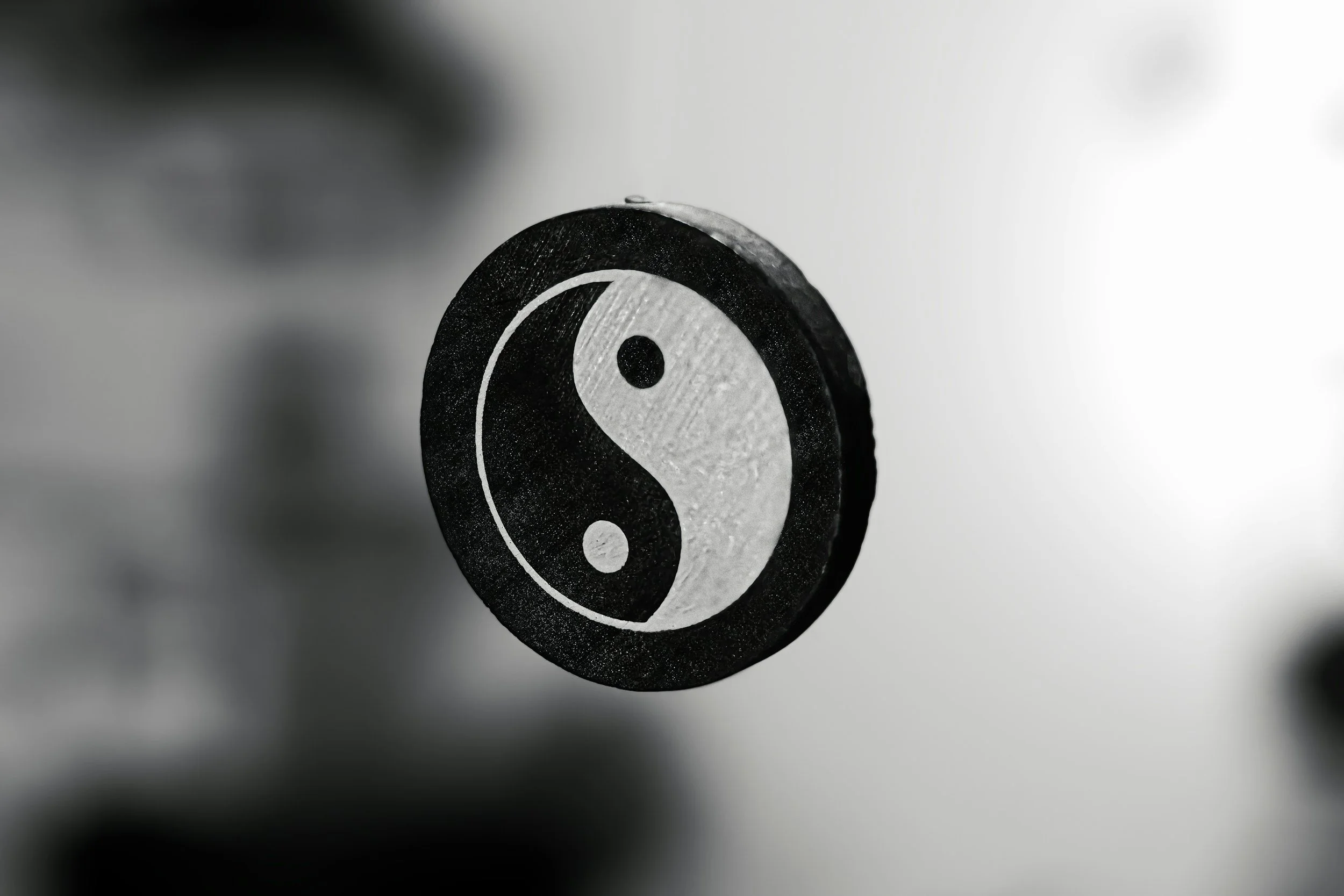
Yin and Yang: The Dance of Opposites
Chi never exists in isolation - it is always expressed through Yin and Yang, the complementary forces that shape all movement and all life.
Yin is soft, receptive, grounding, cooling, inward.
Yang is active, rising, warming, outward, expressive.
Traditional Tai Chi uses these qualities to describe how energy shifts through the body.
Chi Through a Modern Lens
For contemporary practitioners - especially those coming from physiotherapy, somatics, or rehabilitation - Chi can also be understood in physiological terms:
The elasticity of fascia
The coordination of breath and movement
The efficiency of neuromuscular patterns
The regulation of the nervous system
The sense of internal coherence when posture is aligned
In this view, Chi is not a supernatural force but the felt experience of a body working well.
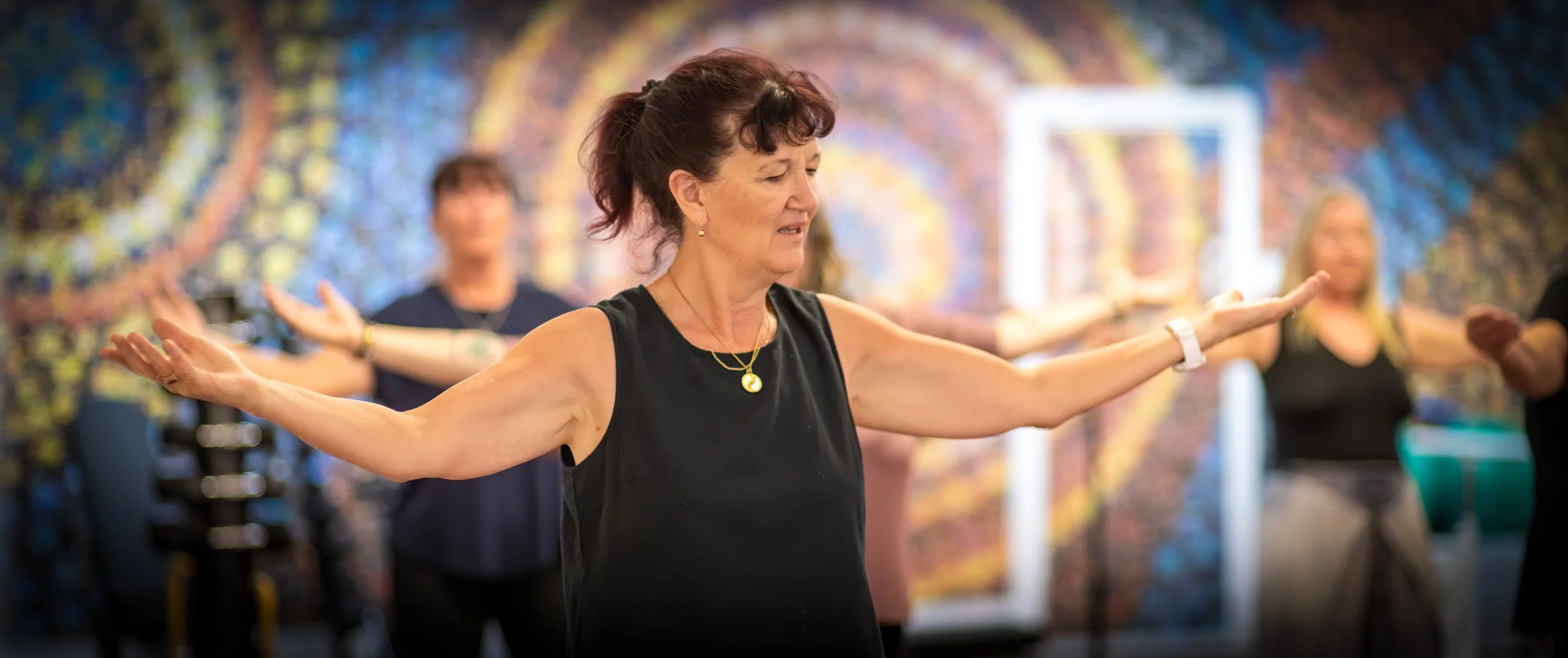
Why Chi Matters for Tai Chi and Physio-Chi
Understanding Chi - whether symbolically or physiologically - helps us appreciate why Physio Chi movements are slow, circular, and continuous. These qualities are designed to:
Calm the mind
Regulate breath
Improve balance
Reduce unnecessary tension
Encourage smooth weight transfer
Support internal awareness
Different language, same essence.
A Foundation for What Comes Next
With this understanding of Chi, we are ready to explore the rich world of traditional Tai Chi - its symbolism, its elemental correspondences, its flowing forms, and its deep connection to nature and internal harmony.
In Blog #3, we step into that world and discover how Tai Chi uses movement to reflect the rhythms of life itself.
“Understanding Chi - whether symbolically or physiologically - helps us appreciate why Physio Chi movements are slow, circular, and continuous.”